

Exploring Kumbhalgarh: The Secrets of Mewar’s Fortress
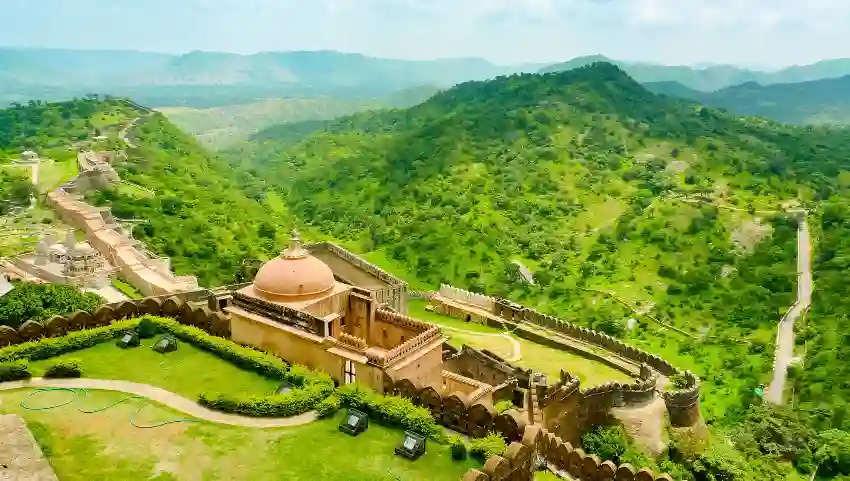
Hidden deep within the rugged folds of the Aravalli Hills, the Kumbhalgarh Fort stands as a silent sentinel of Rajasthan’s glorious past. While the palaces of Udaipur and the sands of Jaisalmer often steal the limelight, Kumbhalgarh remains the “impregnable heart” of the Mewar kingdom. It is a place where history isn’t just written in books; it is etched into 36 kilometres of winding stone walls—the second longest continuous wall in the world, often called the “Great Wall of India”.
In this guide, we dive deep into the secrets, the architecture, and the essential travel details for anyone planning a visit to this UNESCO World Heritage Site in 2026.
The Legend and History of Kumbhalgarh Fort
Built in the 15th century by Rana Kumbha, the Mewar ruler who famously built 32 of the 84 forts in his kingdom, Kumbhalgarh was designed to be a sanctuary. It was the fortress the royals retreated to when their capitals like Chittorgarh or Udaipur were under siege.
The construction itself is shrouded in mystery. Legend has it that the initial work on the fort failed repeatedly. A sage advised Rana Kumbha that only a voluntary human sacrifice could ensure the fort’s completion. A pilgrim (or soldier, according to some tales) stepped forward, and the spot where his head fell is now marked by the main entrance, Hanuman Pol.
Perhaps most importantly, this fort is the birthplace of the legendary warrior Maharana Pratap, making it a site of immense emotional and historical significance for the people of Rajasthan.
Key Information for Your Visit
Planning a trip to a fortress this massive requires a bit of logistical know-how. Here is the breakdown of the essential visitor info:
Kumbhalgarh Fort Timing
The fort is open to the public throughout the year. The standard Kumbhalgarh Fort timing is from 9:00 AM to 6:00 PM. However, if you want to witness the magical transformation of the fort at night, stay back for the light and sound show, which typically begins around 6:45 PM.
Kumbhalgarh Ticket and Entry Fee
The Kumbhalgarh entry fee is quite affordable for domestic travellers, though it varies for international guests. As of 2026, the current rates are:
- Indian Citizens: ₹40 per person
- Foreign Tourists: ₹600 per person
- SAARC and BIMSTEC Visitors: ₹40 per person
- Children (below 15 years): Free
You can purchase your Kumbhalgarh ticket at the physical counter near the main gate or book online via the Archaeological Survey of India (ASI) portal to skip the morning queues.
Pro Tip: Keep your ticket handy if you plan to stay for the light and sound show, though a separate ticket (approx. ₹100 for Indians) is required for the evening performance.
Kumbhalgarh Fort Sightseeing: What Not to Miss
The fort complex is vast, housing over 360 temples and several palatial structures. If you are short on time, prioritise these highlights during your Kumbhalgarh Fort sightseeing tour:
1. The Great Wall
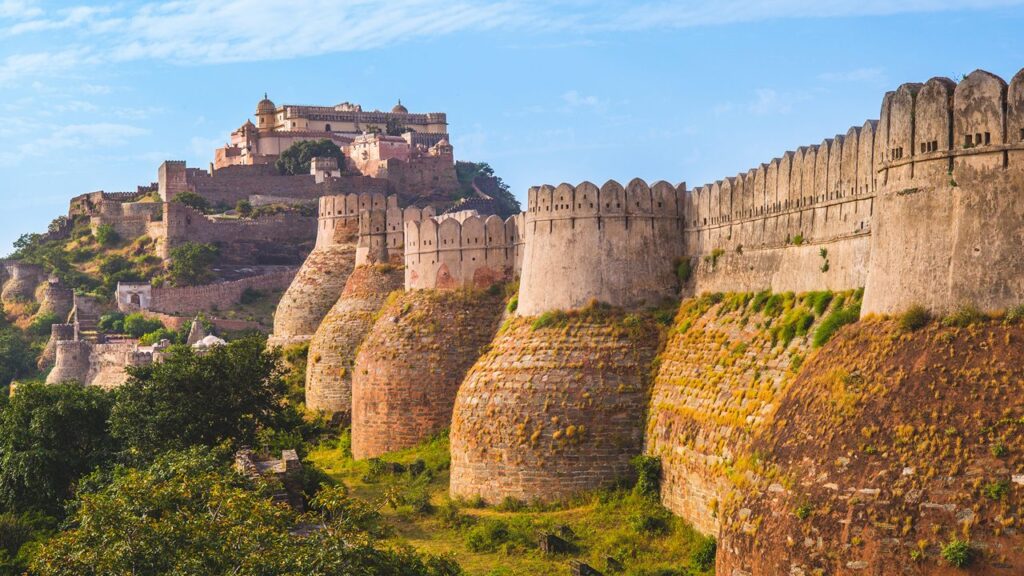
You cannot visit Kumbhalgarh without walking along its ramparts. The wall is wide enough for eight horses to ride abreast of each other. It snakes across 13 mountain peaks, offering panoramic views of the Aravalli range and the Thar desert in the distance.
2. Badal Mahal (The Palace of Clouds)
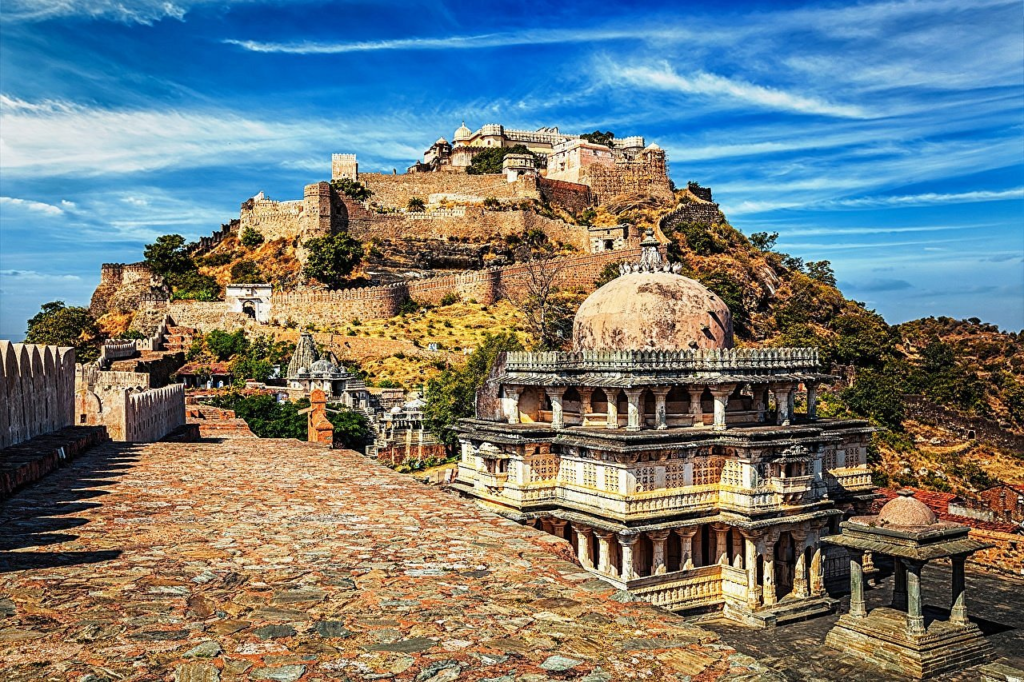
Located at the highest point of the fort, Badal Mahal is a two-storey palace divided into the Zenana (women’s quarters) and Mardana (men’s quarters). The palace is famous for its vibrant 19th-century wall paintings and its unique “natural air conditioning” design. Standing on the terrace here feels like standing in the clouds—hence the name.
3. Neelkanth Mahadev Temple
Among the 300+ temples, the Neelkanth Mahadev Temple is the most striking. Dedicated to Lord Shiva, it houses a massive six-foot-high stone ‘lingam’. Legend says Rana Kumbha was so tall that he could perform the abhishek (anointing) of the deity while sitting down!
4. The Seven Gateways (Pols)
The fort is accessed through seven massive, fortified gates. Ram Pol is the main entrance, showcasing intricate architectural details, while Aaret Pol and Halla Pol served as strategic defence checkpoints.
Hidden Secrets and Architectural Marvels
Why was Kumbhalgarh never conquered by direct assault? The answer lies in its “invisible” design. Despite its height, the fort is virtually invisible from the plains below, tucked away behind the peaks of the Aravallis.
- Self-Sufficiency: The fort was designed as a mini-city. It has its own water reservoirs, stepwells (baoris), and enough agricultural land inside to sustain a large population during a years-long siege.
- The Only Defeat: Historically, the fort fell only once. It wasn’t due to a breach in the walls, but because the combined armies of Mughal Emperor Akbar, Raja Man Singh, and the Mirzas poisoned the fort’s internal water supply.
Best Time to Visit
The best time to explore the fort is during the winter months, from October to March. The weather is cool enough to manage the steep climb to Badal Mahal. If you visit during the monsoon (July to September), the surrounding hills turn a lush, vibrant green, and the clouds often descend into the fort itself, creating a dreamlike atmosphere.
Practical Travel Tips
- Footwear: Wear sturdy walking shoes. You will be walking on uneven stone paths and climbing several flights of stairs.
- Hydration: Carry a water bottle. While there are small kiosks near the entrance, options are limited once you start climbing towards the upper palaces.
- Guides: Hiring a local guide (usually available for ₹500–₹800) is highly recommended. Their stories about the secret tunnels and royal scandals make the stone walls come alive.
- Accessibility: The fort is roughly 85 km from Udaipur. A private taxi is the most comfortable way to reach it, taking about 2 to 2.5 hours through winding mountain roads.
Conclusion
Kumbhalgarh Fort is more than just a tourist attraction; it is a monument to human resilience and architectural genius. Whether you are standing atop the Great Wall of India or exploring the breezy corridors of the Badal Mahal, the “Secrets of Mewar” are bound to leave you in awe.
To make your journey as seamless as the history is deep, booking a reliable Udaipur to Kumbhalgarh taxi service ensures you arrive refreshed and ready to explore. Ensure you check the Kumbhalgarh fort timing and have your Kumbhalgarh ticket ready for a day of historical immersion. The fortress of Rana Kumbha is waiting to tell you its story.